
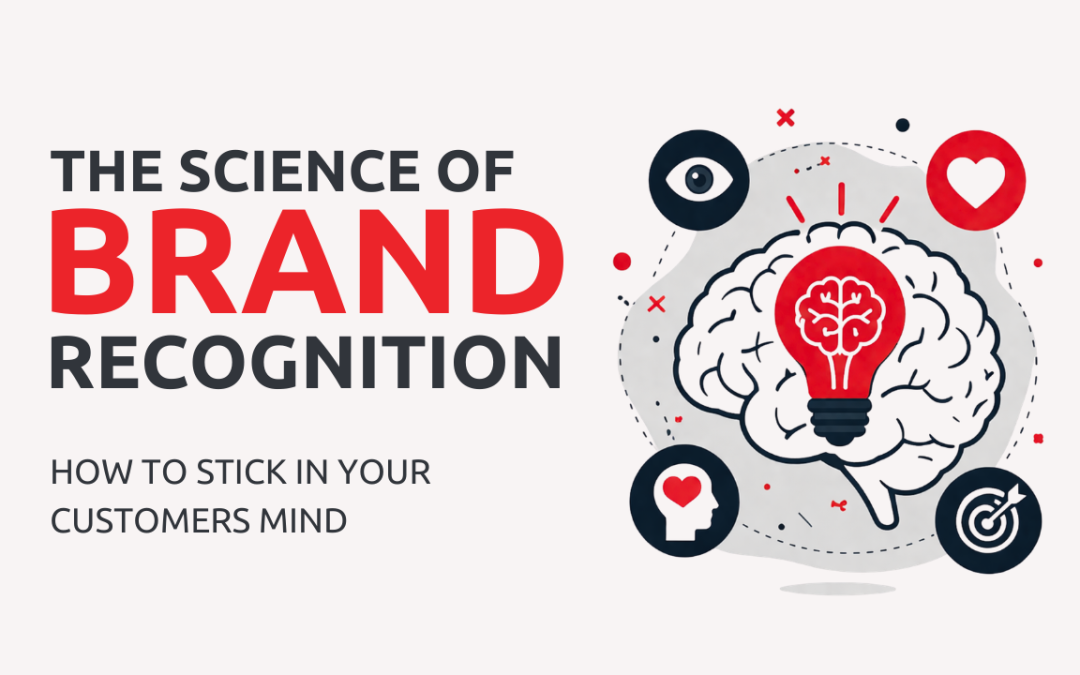
In today’s crowded marketplace, it’s not enough for a brand to exist — it must be memorable. Strong brand recognition allows customers to instantly identify your business, associate it with positive experiences, and choose it over competitors. But what exactly makes a brand stick in people’s minds, and how can businesses leverage this science to improve their marketing strategies?
The Psychology Behind Brand Recognition
Brand recognition relies on how our brains process and store information. Several psychological principles contribute to making a brand memorable:
Repetition
Repeated exposure to a brand’s name, logo, or message strengthens memory recall. The more a customer sees consistent messaging across different touch points, the more familiar the brand becomes.
Visual Consistency
Humans are highly visual. A consistent color palette, typography, and logo design improve recognition. Visual cues often trigger emotional responses, reinforcing the connection with the brand.
Emotional Connection
Emotions play a powerful role in memory formation. Brands that evoke positive feelings — trust, joy, excitement — are more likely to be remembered. Storytelling and human-centered campaigns are effective tools for this.
Distinctiveness
Brands that stand out from the competition, whether through design, messaging, or tone, are easier for customers to recall. A unique identity reduces confusion and strengthens memorability.
Strategies to Improve Brand Recognition
Develop a Cohesive Visual Identity
Ensure your logo, colors, fonts, and imagery are consistent across all channels — website, social media, packaging, and marketing materials. Consistency reinforces memory and builds trust.
Leverage Storytelling
Tell stories that resonate with your audience. Share your brand’s origin, mission, or customer success stories. Stories engage emotions, making your brand more relatable and memorable.
Use Repetition Across Touch Points
From social media posts to email campaigns and advertisements, repetition helps reinforce your brand in the minds of consumers. Ensure key messaging and visuals are repeated strategically, not annoyingly.
Focus on Customer Experience
Every interaction counts. Seamless, positive experiences — from navigating your website to customer support — reinforce your brand and make it easier for customers to recall and recommend.
Innovate Thoughtfully
Introduce unique elements such as a recognizable mascot, jingle, or branded hashtag. Distinctive features create mental shortcuts that help customers remember your brand.
Measuring Brand Recognition
Understanding how well your brand is recognized is just as important as building it. Tools and metrics include:
-
- Surveys and Polls: Ask your audience if they recognize your logo or brand name.
- Social Listening: Monitor mentions and engagement across platforms.
- Website Analytics: Track direct traffic and referral sources.
- Brand Recall Tests: Conduct A/B tests to see which messaging or visuals are most memorable.
Case Example
Consider Coca-Cola, a brand recognized worldwide. Its consistent red and white color scheme, iconic logo, and emotionally engaging campaigns create instant recognition. Even subtle brand elements, like the contour bottle shape or the holiday-themed ads, reinforce the brand identity in consumers’ minds.
Smaller brands can achieve similar results by focusing on consistency, emotion, and distinctiveness within their own scale.
Final Thoughts
Brand recognition is not accidental; it’s a strategic process rooted in psychology and consistency. By understanding how the brain processes information and designing your branding strategy around visual cues, repetition, emotional connection, and distinctiveness, your business can create a lasting impression.
Strong brand recognition drives loyalty, encourages referrals, and gives your business a competitive edge. Whether you’re a startup, nonprofit, or growing enterprise, investing in consistent and memorable branding ensures your audience not only remembers you — they choose you.